
Continually Self-Improving Robots

Workshop at CoRL 2026

Venue CoRL 2026
Format Half-day, in person + livestream
Audience Robot learning · RL · Continual learning

Introduction

Developing general-purpose robots capable of autonomously performing diverse tasks in unstructured environments remains a central challenge in robotics. Recent demonstration-driven approaches, including learning from teleoperated robot demonstrations and human video demonstrations, have provided robots with strong behavioral priors and capable initial policies. However, imitation alone is unlikely to close the gap between broad initial competence and reliable performance across the long tail of real-world tasks, objects, and environments. Robots must improve beyond their demonstrated experience: autonomously collecting data, discovering failures, adapting to new situations, and refining their skills through interaction.

This workshop advocates for an era of experiences in robot learning, where robots continually expand their capabilities by interacting with the world. We aim to bring together researchers across robot learning, reinforcement learning, and continual learning to define the algorithmic and systems-level foundations for self-improving robots.

Invited Speakers

Abhishek Gupta headshot
AG

Abhishek Gupta

University of Washington

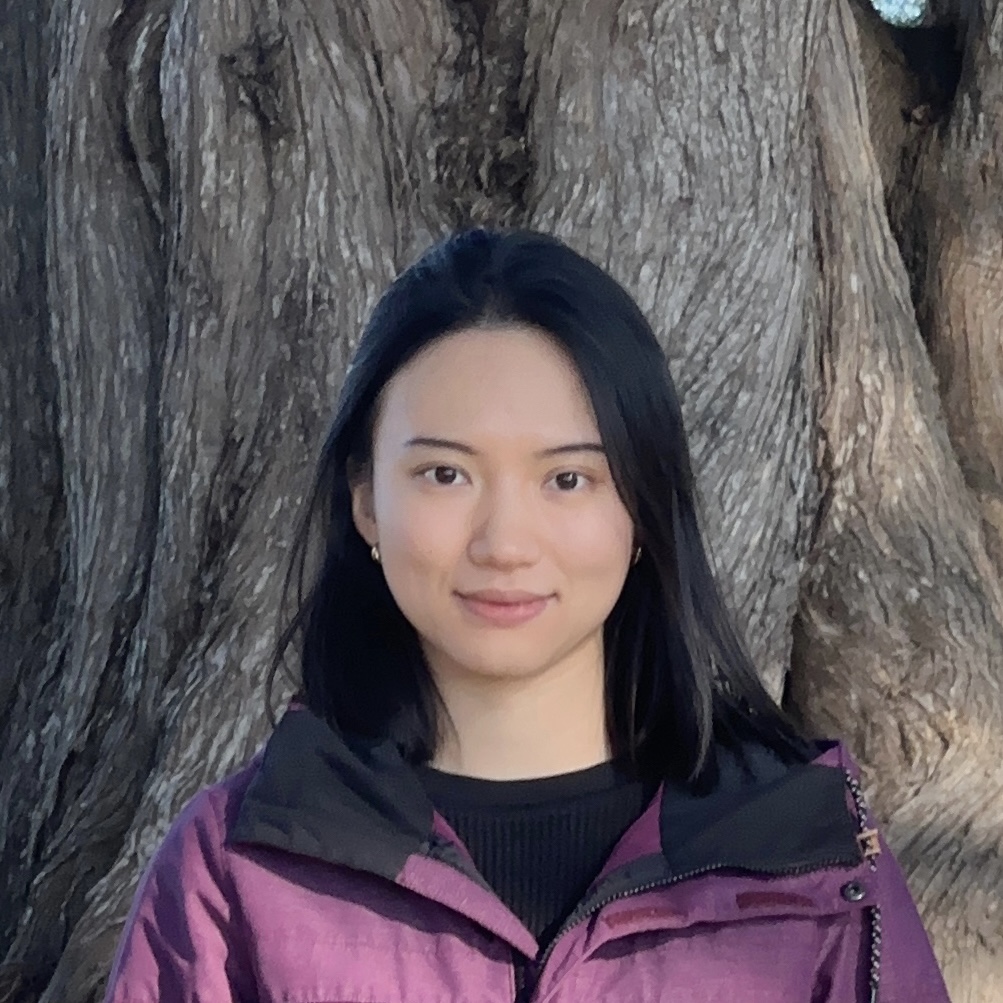
Kay Ke headshot
KK

Kay Ke

Physical Intelligence

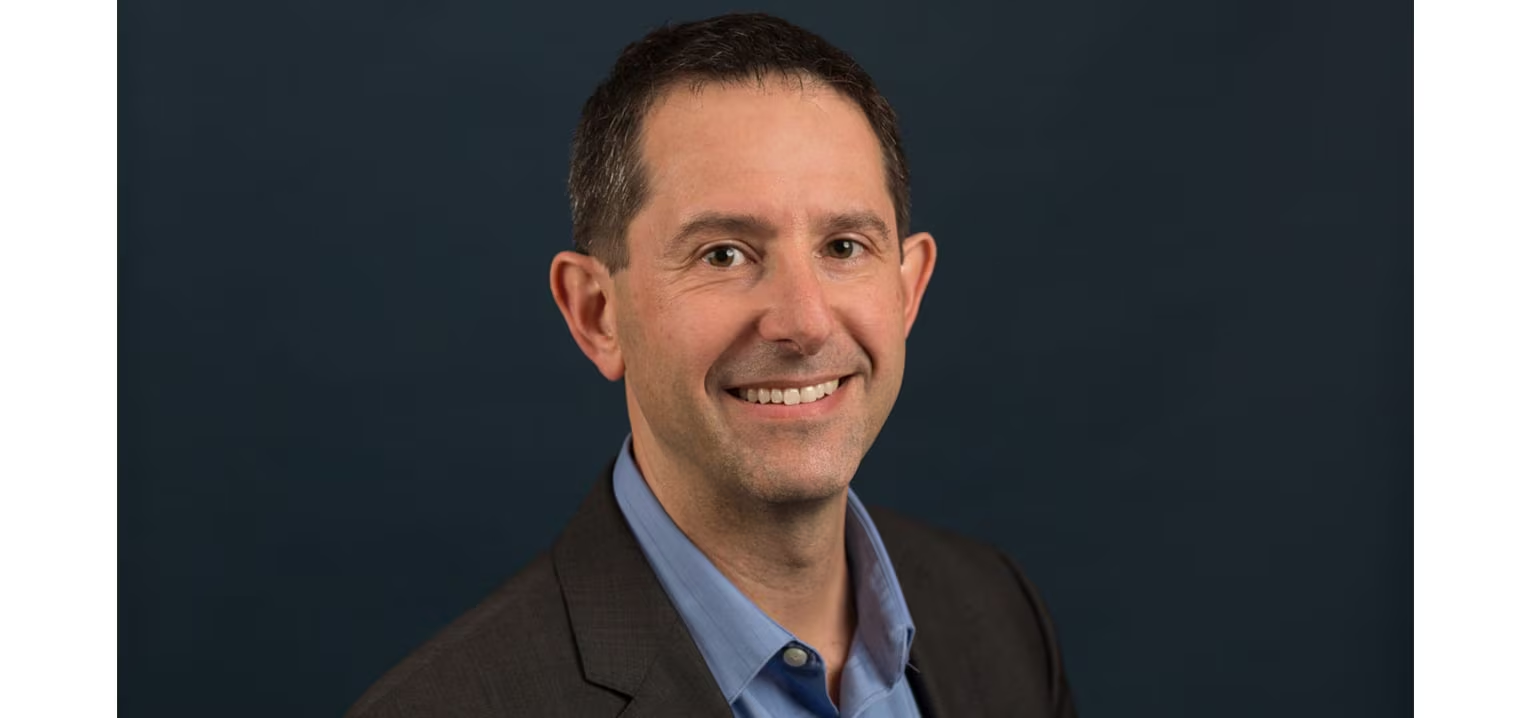
Jeff Clune headshot
JC

Jeff Clune

UBC & Recursive

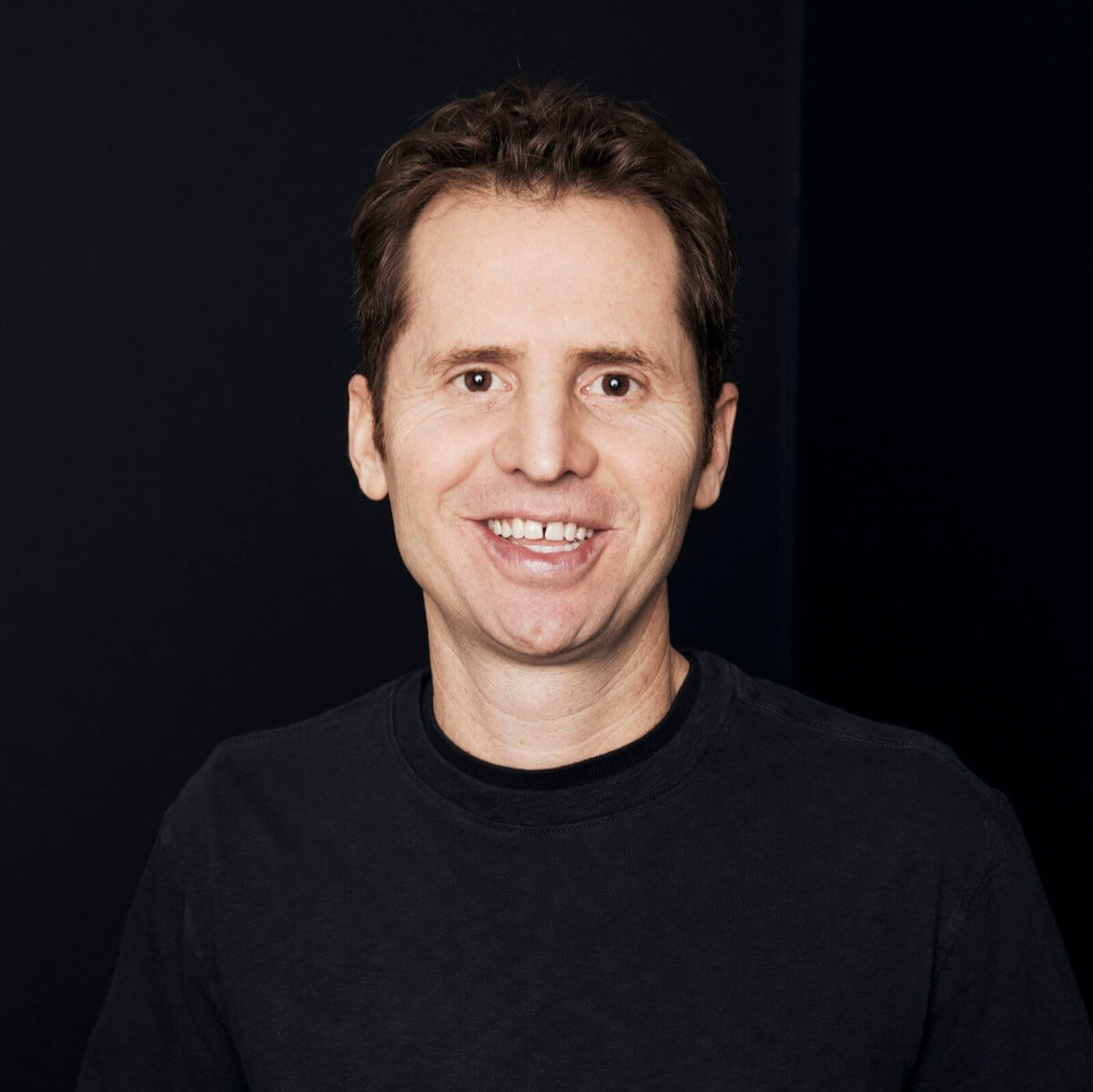
Jason Ma headshot
JM

Jason Ma

Dyna

Call for Papers

We invite contributions that introduce theoretical frameworks, experimental findings, or applications that advance autonomous robot learning and self-improvement.

Topics of Interest

Robot self-improvement, continual robot learning, RL for robotics, autonomous data collection, failure discovery, safe exploration, world models, in-context robot learning, real-to-sim-to-real transfer, automatic reset systems, and reliable evaluation environments.
Submission & Reviewing

Submissions will be hosted on OpenReview. Each submission will receive at least two reviews and will be evaluated based on quality, relevance to the workshop, and suitability for spotlight or poster presentation.

Participation

Accepted papers will be presented through student spotlights and posters. We plan to give a best paper award and invite participants to contribute to the post-workshop artifact or white paper.

Workshop Format

The workshop will combine invited talks, student spotlights, poster presentations, structured breakout sessions, and moderated group-wide discussions. The format is designed to actively engage participants rather than present a passive sequence of talks.

Breakout 1

Formalizing Robot Self-Improvement

Participants will define what it means for a robot to self-improve, including assumptions about initial policy capabilities, available feedback, deployment constraints, allowed human intervention, and simulation benchmark designs.

Breakout 2

Designing Practical Pipelines

Using a multi-purpose warehouse-robot case study, groups will design an end-to-end pipeline for autonomous long-term deployment, including data collection, failure detection, policy updates, safety, transfer, and evaluation.

Outcome

Shared Artifacts & Discussion

Breakout groups will use shared online documents to record assumptions, proposed methods, benchmark ideas, open questions, and disagreements, then report back for moderated debate.

Preliminary Schedule

Time
Session
Details
08:30 – 08:40
Opening
Opening remarks by organizers
08:40 – 09:05
Invited Talk 1
Jeff Clune
09:05 – 09:30
Invited Talk 2
Abhishek Gupta
09:30 – 10:05
Breakout Session 1
Problem formulation and benchmark design
10:05 – 10:25
Student Spotlight
Selected contributed papers
10:25 – 11:05
Break & Poster
Poster discussions and networking
11:05 – 11:30
Invited Talk 3
Kay Ke
11:30 – 11:55
Invited Talk 4
Jason Ma
11:55 – 12:25
Breakout Session 2
Practical self-improvement pipelines
12:25 – 12:30
Closing
Next steps and post-workshop artifact

Organizers

Jiaheng Hu headshot
JH

Jiaheng Hu

UT Austin

jiahengh@utexas.edu
Annie Xie headshot
AX

Annie Xie

Google DeepMind

anniexie@google.com
Mengdi Xu headshot
MX

Mengdi Xu

Tsinghua University

xumd@mail.tsinghua.edu.cn
Chris Paxton headshot
CP

Chris Paxton

Agility Robotics

chris.paxton.cs@gmail.com

Advisory Board

Peter Stone headshot
PS

Peter Stone

UT Austin & Sony AI

Roberto Martín-Martín headshot
RM

Roberto Martín-Martín

UT Austin

Jie Tan headshot
JT

Jie Tan

Google DeepMind